


Alice of Albuquerque, Colored pencil on Film. Artist - Suzanne Vigil
It took me a bit longer to upload part 2 of this blog. Since part 1, I've been recovering from a total right knee arthroplasty and I have not been a good patient. I HATE being stuck at home, it's been painful, and I've been feeling sorry for myself. Today, however, I'm feeling grateful. Grateful at the miracle of modern medicine, grateful that I'm well into recovery, grateful for my friends (Tim Mccollum, Eric Taylor, Richard Ashmead) who held my hands in support even when I was whiny, grateful that the open road still calls me and grateful that it still stretches before me. I'm a lucky, lucky girl!
Part 1 of this story involved the first 5 lessons I've learned on the road:
- 1. Most people are kinder than the news would suggest
- 2. Weather controls more than you expect
- 3. Plans are only suggestions
- 4. Accomplishing hard things changes you
- 5. You need far less than you think
Here's a link to that posting: https://dldavidson.art/storyteller/stories-from-a-feral-grandma-10-lessons-i-ve-learned-from-a-year-on-the-road-part-1-4282975
Now let's get onto the next 3 lessons!

6. Nature resets the human mind
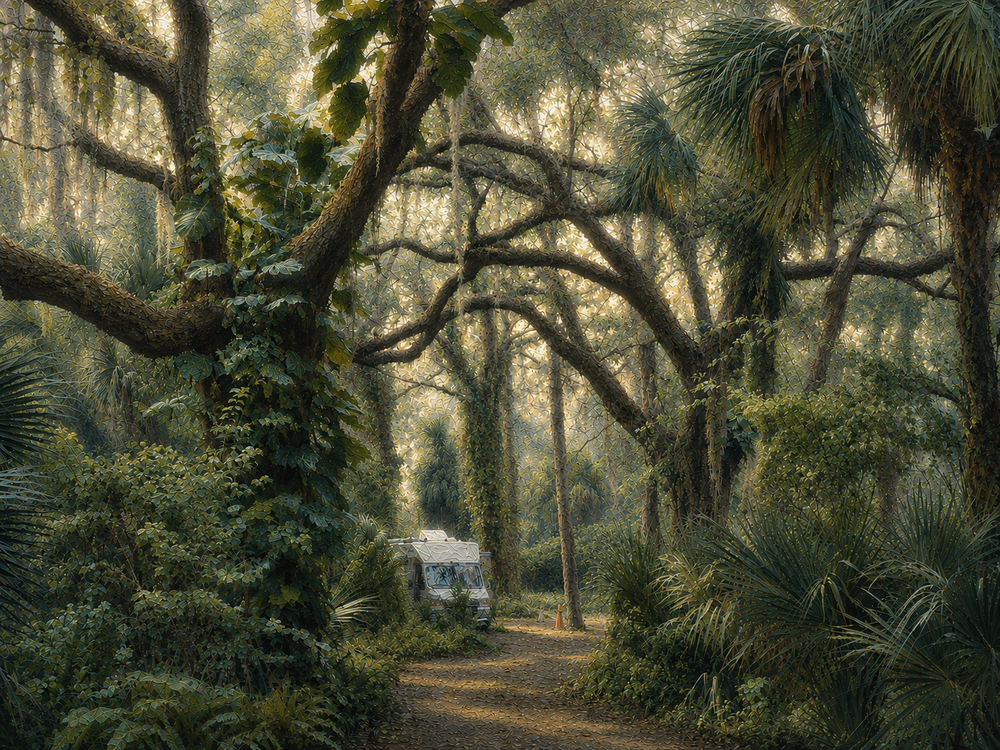
Humans were never designed to live entirely indoors staring at screens and clocks. Those frames narrow your world and thus your perspective. They trap you almost entirely inside your own head. But outdoors, awareness becomes physical again - the smell of rain on hot pavement, wind moving through pine trees, the crunch of gravel under boots, the sun's warmth on cold skin, the smell of campfire smoke in your hair. Nature returns people to their senses - literally!
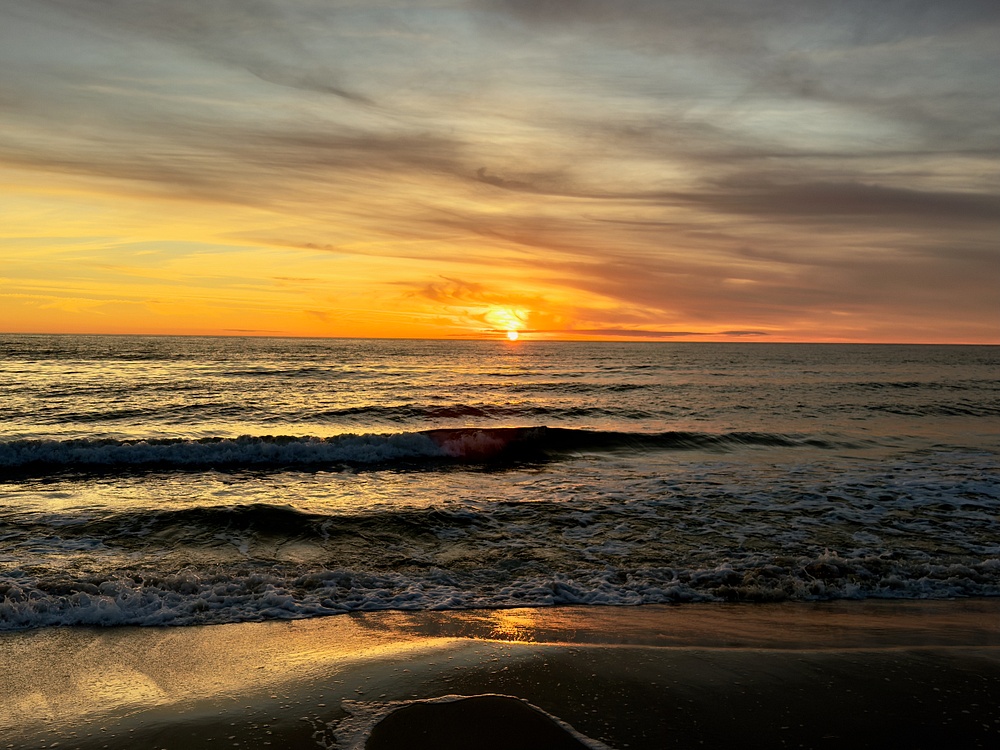
Sunsets never really get old. I thought I would eventually stop noticing them. But they remain magical for me - a reminder that this exact moment will never happen again in quite the same way. A reminder to be still, breathe, and let my mind and my body be in the moment.
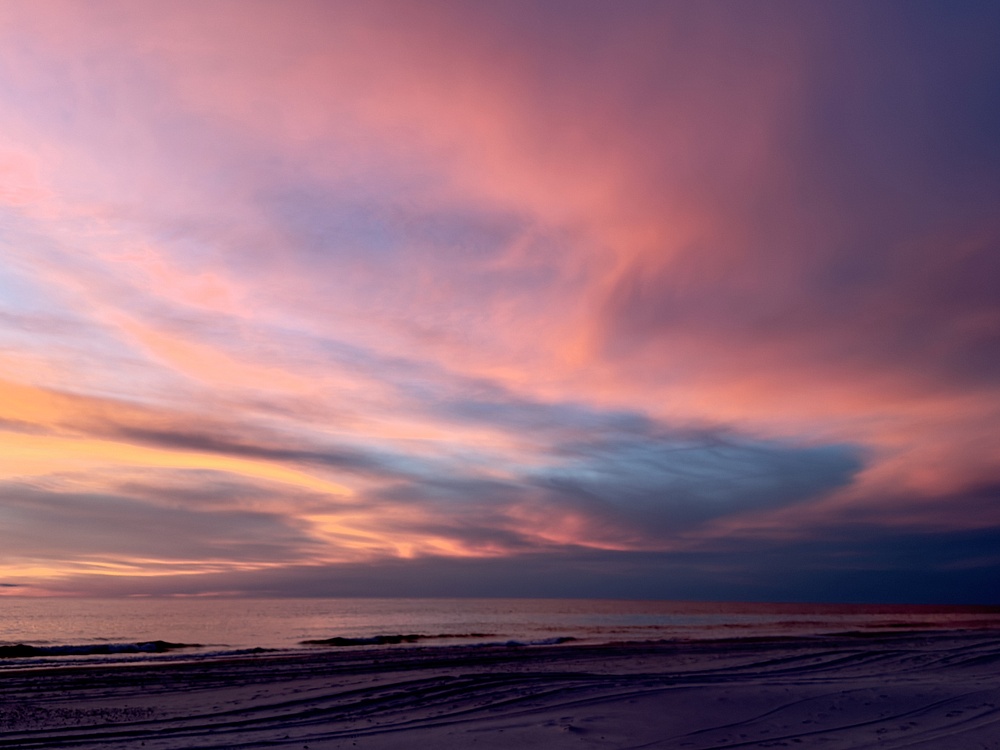
Nature resets the human mind partly because it removes the ticking of the clock and schedules that dominate our normal life. So much of modern life distances us from the natural world. Wilderness is not just beautiful scenery but something essential to the human mind. Most of the natural world does not demand immediate reaction. (There are exceptions of course. Lions and tigers and bears, oh my!) But these exceptions are few and far between. Mostly the natural world beckons us to observe. You begin noticing gradual things again: shifting light, changing weather, animal tracks, the slow movement of clouds. Attention stretches outward instead of fracturing inward.
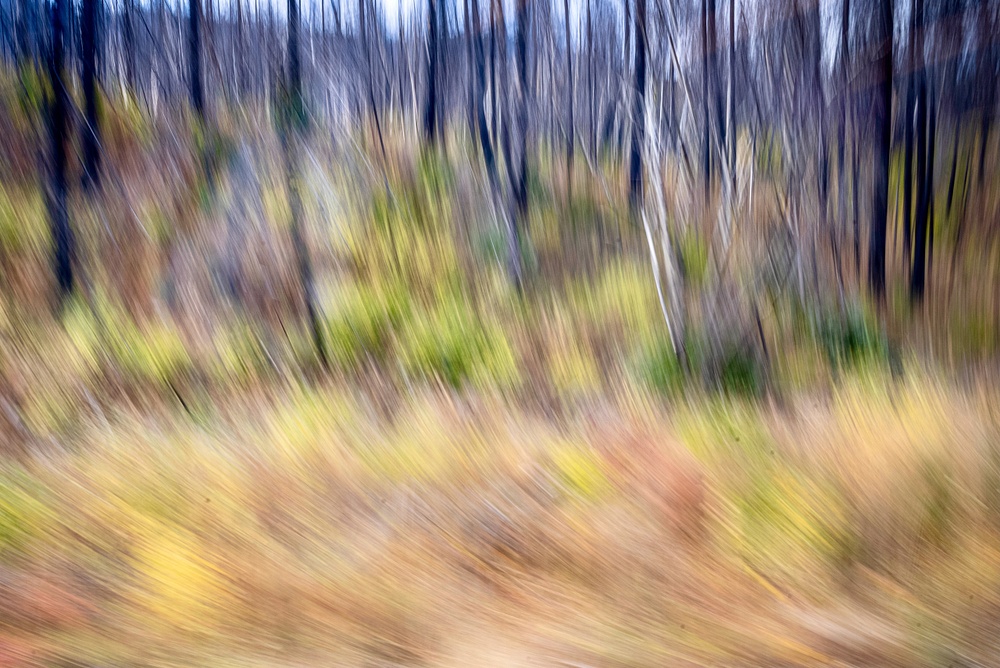
Nature contains endless evidence of survival and renewal so it teaches us patience and resilience. Forests regrow after fires. Rivers carve through stone over centuries. Harsh winters give way to spring without fail.
Nature resets the human mind because it reconnects people with rhythms they were never meant to abandon. Sunlight and darkness. Movement and rest. Solitude and reflection. Quiet and awe. The human nervous system recognizes these things instinctively, even after years spent disconnected from them.

And perhaps that is why so many people feel transformed after time spent on the road, in forests, beside oceans, or beneath open skies.
Not because nature changes who they are.
But because it helps them remember who they were before the world became so loud.
.jpg "chairs facing mountains.jpg")
7. America is bigger than you imagine
Not just geographically, but emotionally and culturally. The country changes every few hundred miles — accents, landscapes, food, weather, politics, architecture, music, and attitudes. Traveling across America taught me there is no single version of the country. There are many Americas layered together. I try to immerse myself when I'm traveling through different regions of the country. I either listen to music from artists who lived in the region or audible books of local authors. As much as possible, I try to leave the homogenity of the interstates and travel the back roads. Once when I was traveling through Indiana, I was listening to John Cougar Mellencamp sing Little Pink Houses and by golly, I passed a painted pink barn sitting in a lonely corn field!
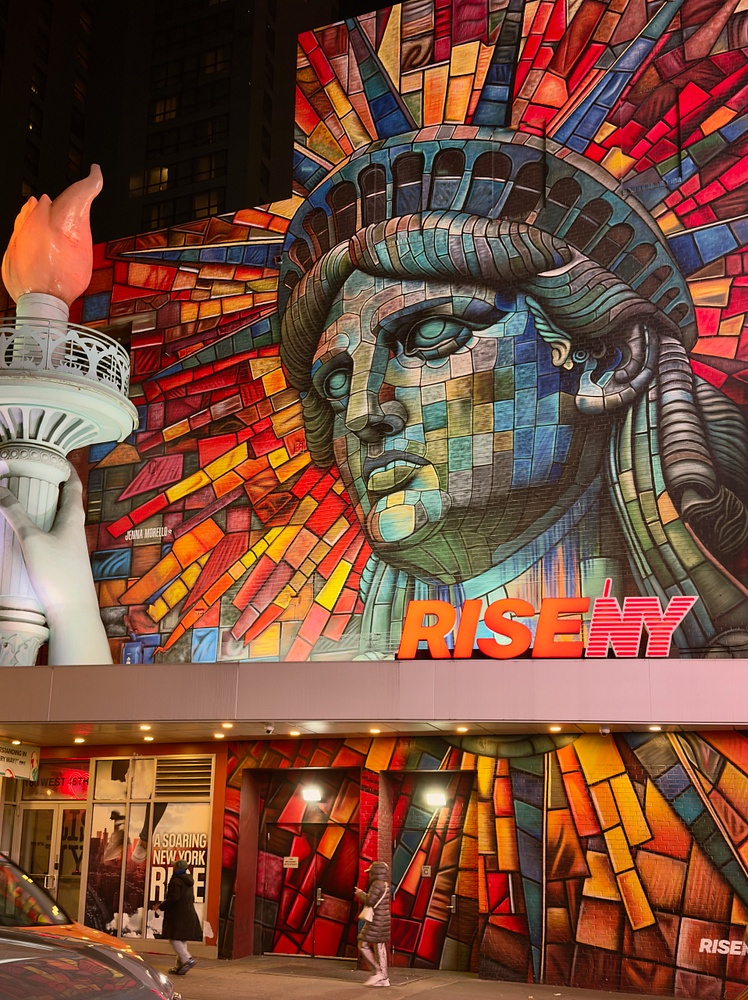
Travel also reminds people how large the world really is. It expands perspective. A person who only stays in one place can begin to believe their way of living is the only way. But travel reveals countless ways people build lives, communities, traditions, and happiness. It creates humility as much as wonder.
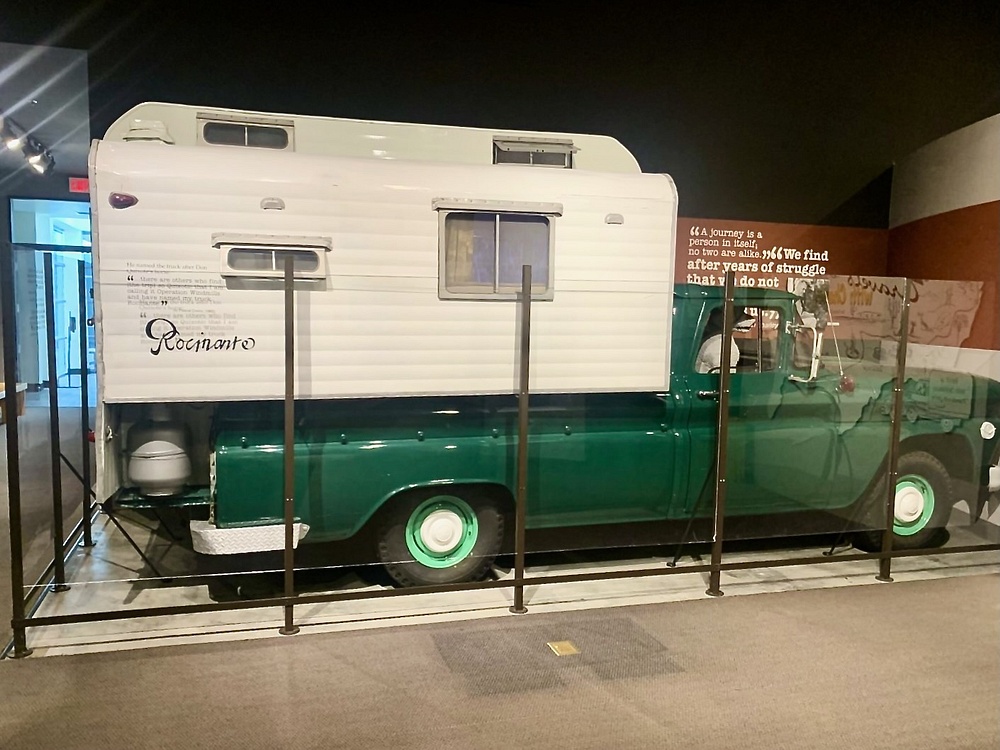
I read John Steinbeck's Travels With Charley as a teenager and it changed my life. I promised myself that one day I would do as he had done - travel the roads of my country in search of my shared identity with fellow Americans. (It took me 50 years but I finally started living that dream!) In his book, Steinbeck customized a dark green GMC pickup truck with a Wolverine slide-in camper shell for his 1960 cross-country trip. He named his truck camper 'Rocinante' after the loyal horse of Don Quixote. The restored Rocinante is on permanent display at the National Steinbeck Center in Salinas, California.
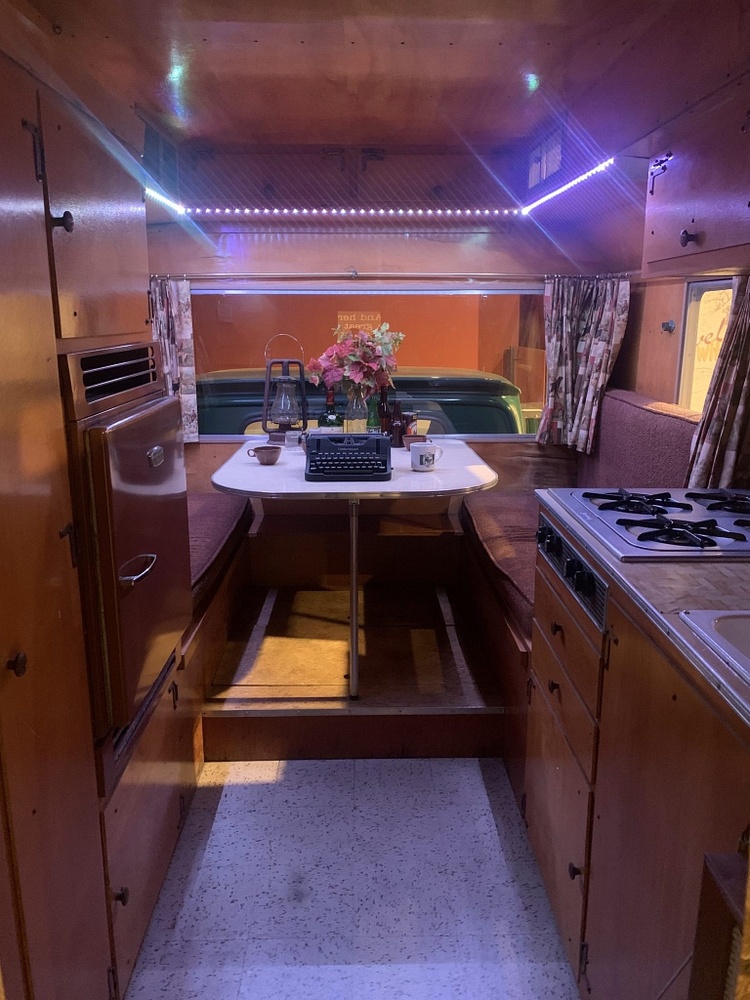 John Steinbeck undertook his 1960 cross-country road trip because he felt he had lost touch with America. He set out with his poodle, Charley, to find the answer to a fundamental question: "what are American's like today?" In fact, the full title of his book is Travels With Charley in Search of America.
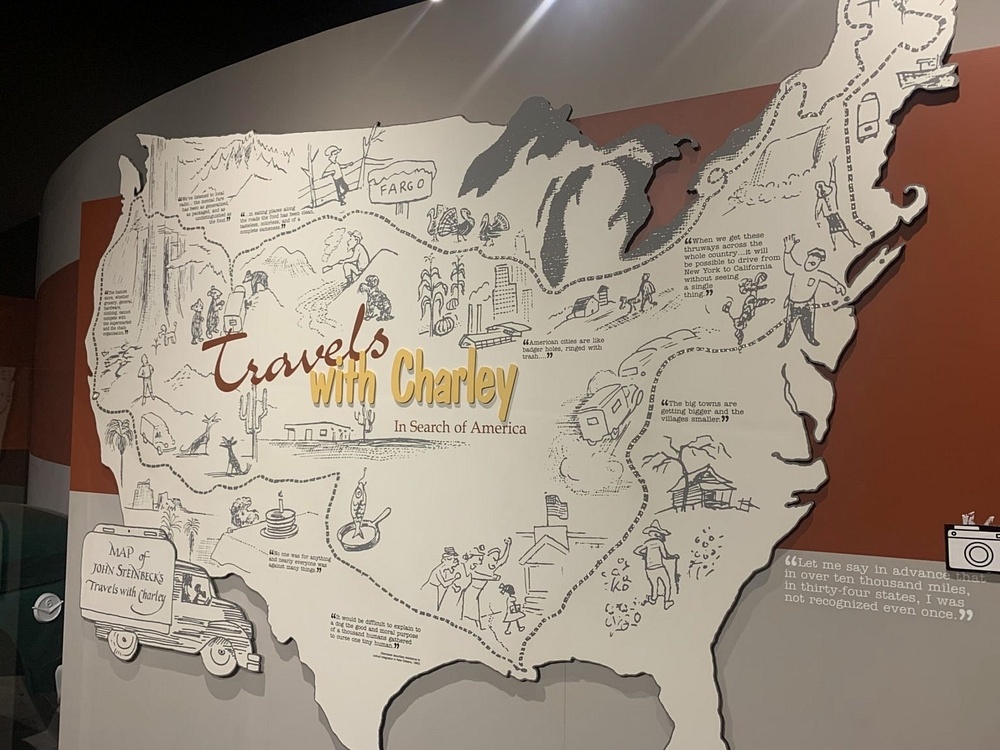
Perhaps the deepest thing Steinbeck learned was that America could not be fully understood from headlines, politics, or abstractions. It could only be understood through movement, observation, and human encounter. The road revealed contradictions everywhere: beauty beside ugliness, generosity beside prejudice, freedom beside loneliness. At the heart of his writing are the people he met.
Another major lesson of his book was how much modern life distances people from the natural world. Some of the book’s most peaceful passages describe forests, deserts, storms, remote campgrounds, and the silence of open country. Nature repeatedly restores Steinbeck’s clarity and emotional balance during the journey.
The most famous and frequently quoted line from Steinbeck's book is "A journey is a person in itself; no two are alike...We find after years of struggle that we do not take a trip; a trip takes us." Two of my favorite lines are "What good is the warmth of summer, without the cold of winter to give it sweetness" and the one that is becoming my mantra - "I was born lost and take no pleasure in being found." :)
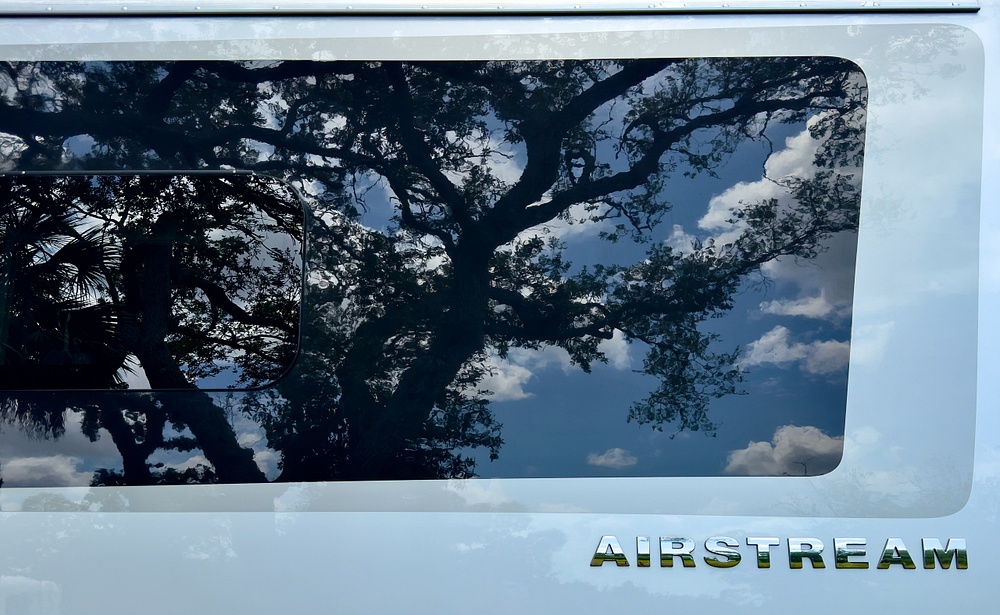
8. Beauty exists in unexpected places
I think most people begin a trip with the hope of discovering extraordinary places. They imagine dramatic coastlines, famous landmarks, towering mountains, or postcard sunsets. They plan routes around destinations that have already been photographed, reviewed, and admired by millions of others.
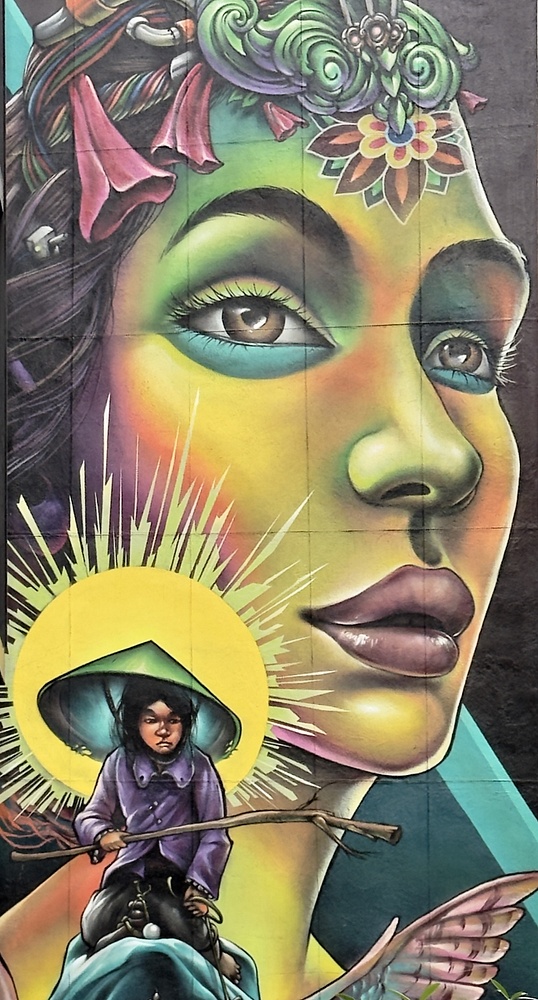
But I found that as I passed through unfamiliar places, my attention sharpened. I started observing rather than merely passing through. And once my attention changed, beauty started appearing everywhere. The fog lifting off an Alabama back road, neon signs glowing in a dusty, almost empty small town, or an empty stretch of highway under a full moon. Travel teaches us that beauty is not always dramatic. Often, it is deeply ordinary.
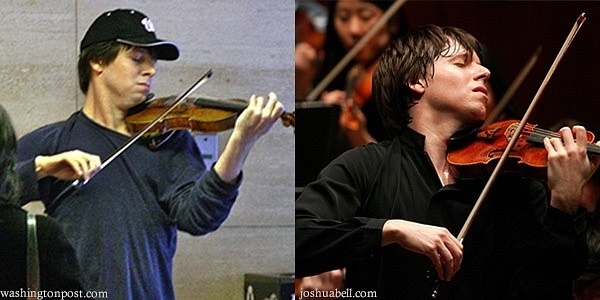
Joshua David Bell is a renowned American violinist and conductor and one of the most celebrated artists of our time. I was fortunate to hear him play live in concert once and it was a sentinel moment in my life - one of those awe moments that take your breath away. Joshua is a heart throb - he performs in all black attire and with his mob of untidy hair and his muscular performance, he is HOT! One interviewer described his performing as 'does nothing less than tell human beings why they bother to live.'
'Pearls Before Breakfast' was a Pulitizer Prize winning 2007 feature for The Washington Post written by Gene Wengarten about a social experiment. The premise was simple: Do people notice beauty and extraordinary talent in an everyday environment when context and cues are removed? The experiment involved Joshua Bell playing violin masterworks incognito in a Washington, D.C. subway station during early morning rush hour. Joshua was dressed in a t-shirt, blue jeans and a ball cap. Just a few days before this experiment, Joshua had played a concert in Boston Symphony Hall where an average ticket cost hundreds of dollars. The instrument that Joshua played in the subway station was a 1713 Stradivarius violin valued at 3.5 million dollars. Joshua played 6 classical pieces for 43 minutes.

 ) to see how your blog looks